

Foods to Eat Before a Workout: A Simple Guide
The right pre-workout meal should give you energy without sitting heavy in your stomach. The best choice depends on your workout, the time you have, and how your body handles food. We use this simple plan at The Body Lab to help members fuel Lagree, yoga, Pilates, barre, and other training sessions with more comfort.
Table of Contents
Step 1: Choose the Right Balance of Carbohydrates and Protein
Most foods to eat before a workout should center on carbohydrates, with some protein added when the meal is more than a quick snack. Carbs give your body a ready source of fuel. Protein helps support muscle repair after training, but a large protein-heavy meal may feel slow to digest.
Think of the meal as a small plate with a clear job. Pick a carb you already tolerate, then add a modest protein source. A little fat can work in a full meal, but too much fat may slow digestion before movement.
Good pairings include oatmeal with Greek yogurt, toast with eggs, rice with chicken, or a banana with nut butter. You don't need every food group at every sitting. If you're eating close to class, keep the meal smaller and simpler.
The difference between carbohydrates and protein is worth keeping clear. Carbohydrates are compounds that include sugars, starches, and fiber , while protein is made from amino acids that the body uses for many functions. In practice, carbs are usually the first thing to test before a high-effort session.
For a morning Lagree class, you might try toast with a small amount of nut butter. Before an evening yoga session, rice with a light protein may work if you have more time. Your goal is steady energy, not a perfect plate.
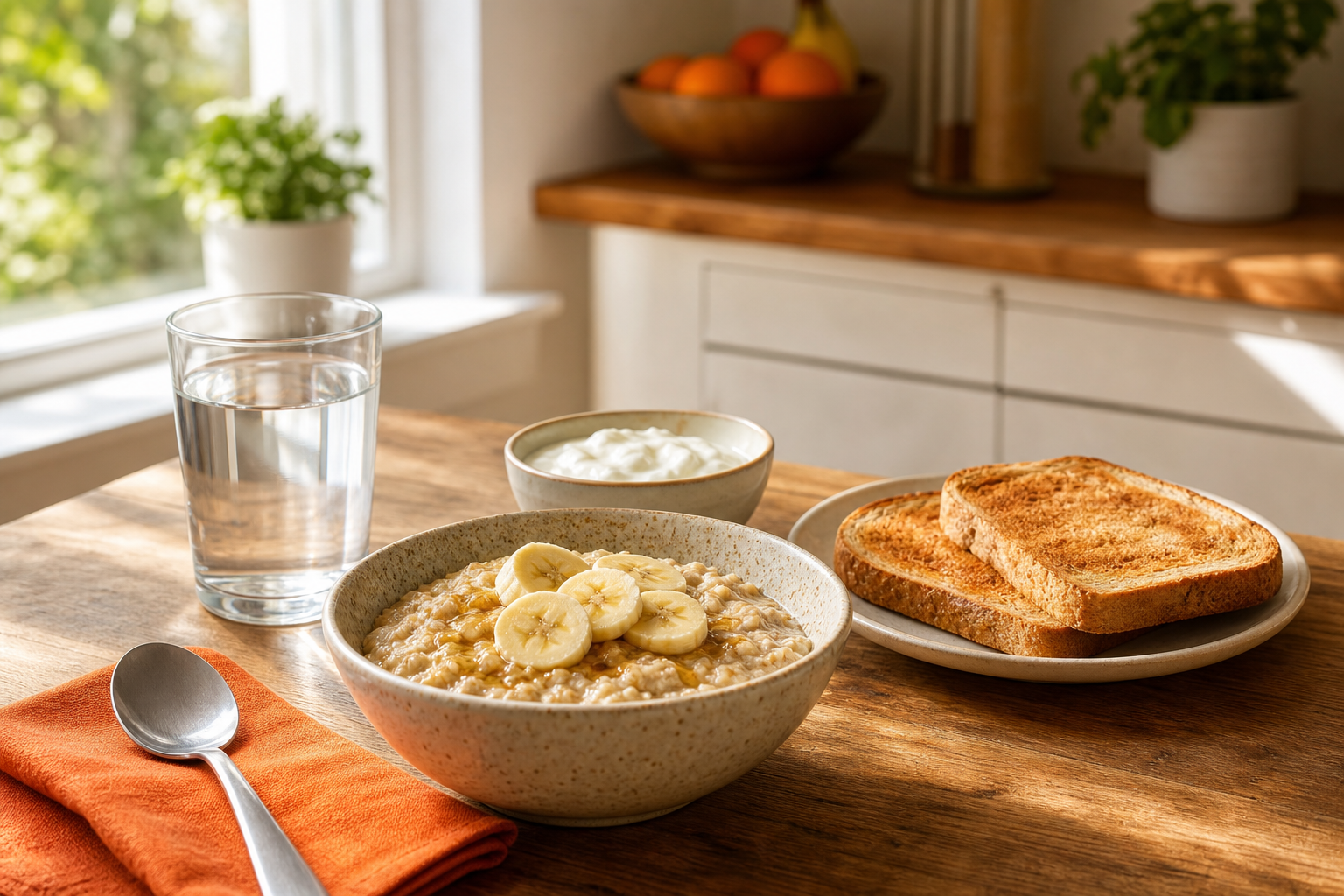
Don't force protein if it makes you feel full or queasy. You can eat a protein-rich meal after class instead. If you have a medical condition, follow a clinician's advice rather than a general fitness rule.
Key Takeaway:Start with a familiar carbohydrate, add a moderate amount of protein, and keep fat modest when your workout is near.
Step 2: Match Your Food to the Time Before Your Workout
The best foods to eat before a workout change with the clock. A full meal may work well when you have two or three hours. With only 30 minutes, a small snack is usually easier to handle.
Use the table below as a starting point, not a strict schedule. Hunger, sleep, stress, heat, and your normal digestion can all change how food feels during class.
Time before training | Best approach | Food examples | What to limit |
2 to 3 hours | Eat a balanced meal with a main carb and moderate protein. | Rice with chicken, oatmeal with yogurt, or a sandwich with fruit. | Very large portions or foods you rarely eat. |
About 1 hour | Choose a smaller meal with easy carbs and light protein. | Toast with egg, yogurt with fruit, or cereal with milk. | Greasy meals, large salads, and heavy sauces. |
15 to 30 minutes | Keep it small and focus on quick, familiar fuel. | Banana, applesauce, crackers, or a slice of toast. | High-fiber foods and large amounts of fat. |
No appetite | Use water and decide if you can train comfortably without food. | Small sips of water, then food after class if needed. | Eating by force when nausea is likely. |
If your class starts at 6 a.m., you may not need a full breakfast first. A small snack can be enough for a shorter session if you feel well. If you train later in the day, your prior meal may already provide fuel.
Hydration belongs in the same plan. Drink fluids through the day instead of waiting until you walk into the studio. In a hot class, such as heated yoga in our Lo Burn Studio, you may need to pay closer attention to thirst and how much you sweat.
Electrolytes may matter during long, hot, or very sweaty sessions. But don't assume every workout needs a sports drink. Water and a normal meal may cover a standard class for many people.
Set a simple test. Try one meal before three similar sessions. Note your energy, stomach comfort, and hunger afterward. Then change one part at a time. That gives you useful feedback without turning every workout into a food experiment.
Pro Tip:Pack one small snack before leaving home. If your schedule shifts, you'll have a known option instead of grabbing a large meal right before class.
Step 3: Select Easy-to-Digest Pre-Workout Foods
Easy-to-digest foods to eat before a workout are usually familiar, low in bulk, and not too rich. This matters most when your class includes deep core work, fast transitions, or sustained tension on a Megaformer.
Start with foods you have already eaten without trouble. White or whole-grain toast can work, depending on your fiber tolerance. Fruit gives you a simple carb source. Yogurt may suit you if dairy feels comfortable.
Fruit:Try a banana, applesauce, or soft berries with enough time to digest.
Grains:Toast, rice, oatmeal, cereal, or crackers can provide useful carbs.
Light protein:Yogurt, milk, egg, tofu, or a small amount of poultry may fit a longer pre-class window.
Fluids:Water is a good default. Sip it rather than drinking a large amount at once.
Fiber is healthy, but a large serving right before training may cause bloating for some people. The same goes for beans, raw vegetables, very rich sauces, and high-fat meals. You don't have to avoid these foods all day. Just place them farther from your workout if they cause trouble.
Powders and bars aren't required. Whole foods can be easier to understand and adjust. Still, a packaged snack can be useful when you have no time to prepare food. Read the label and choose something your body has handled before.
Pay attention to the workout setting. A slow flow may feel fine after a meal that would feel uncomfortable during intense core work. Lagree relies on controlled tempo and constant tension, so a heavy stomach can distract you from form.
At The Body Lab, we want you focused on the coach's cues and your movement, not on whether lunch is repeating on you. If a food causes discomfort twice, move it farther from class or replace it with a plainer choice.
Food intolerance is different from ordinary fullness. If a food repeatedly causes pain, swelling, vomiting, or another strong reaction, stop testing it around workouts and seek qualified medical advice.
Step 4: Adjust Your Choices for Different Workout Types
The right foods to eat before a workout depend on the work your body must do. A high-intensity Lagree class may call for more readily available carbohydrate than a gentle stretch session. Your meal should match the demand.
For Lagree and strength-focused classes
Choose a carb-led snack or meal that won't move around in your stomach. Toast with egg, yogurt with fruit, or rice with a light protein can work when timed well. If you're coming straight from work, a small snack may be better than trying to eat a full dinner.
Lagree uses slow, controlled movement with tension held through the body. That can feel intense even when the session doesn't look like traditional cardio. Leave enough time to digest, then let your coach adjust the work if your energy feels low.
For yoga, Pilates, barre, and stretching
These sessions still need fuel, but you may prefer less food. A banana, toast, or a small yogurt can work before class. Avoid a large meal right before poses that compress the abdomen or require you to lie on your stomach.
Heated movement changes the comfort question. In our Lo Burn Studio, the warm room can make a heavy meal feel worse. Arrive hydrated, eat lightly if class is close, and don't treat extra sweating as a reason to restrict food later.
For longer workouts
If training lasts more than an hour, your needs may differ from a standard studio class. You may need fluids during the session, especially in heat. A qualified sports dietitian can help you build a plan if long training is a regular part of your week.
Don't sort these choices by gender alone. Women and men can have different energy needs, but body size, training load, goals, appetite, and health history tell you more than a label. Use your response to the session as the guide.
Choose the smallest change that solves the problem. More food isn't always the answer. Sometimes the better fix is earlier timing.
Step 5: Personalize Your Pre-Workout Routine for Comfort and Consistency
Personalization turns general advice about foods to eat before a workout into a routine you can repeat. Keep the process simple. You need enough detail to spot patterns, not a daily score for every bite.
For two weeks, write down four things after training:
What you ate and roughly when you ate it.
How your stomach felt during class.
How your energy felt during the hardest part.
How hungry you felt later.
Don't weigh every ingredient unless a registered dietitian has asked you to do so. Calorie tracking can become stressful for some people, especially anyone with a history of disordered eating. A routine should support your health, not make you fear food.
Test one breakfast before a morning class. Test one afternoon snack before an evening session. Keep the workout type similar so you can tell whether the food helped.
Fasted training is a personal choice, not a requirement. Some people feel fine with only water before a short, easy session. Others feel weak, distracted, or lightheaded without food. If you feel unwell, stop and address the issue rather than trying to push through it.
Build a backup plan for busy days. Keep a familiar snack in your bag. Eat a normal meal after class when you can. If you take a class at The Body Lab, our team can help you think through timing around Lagree, Lo Burn, or a recovery visit without turning food into a set of rigid rules.
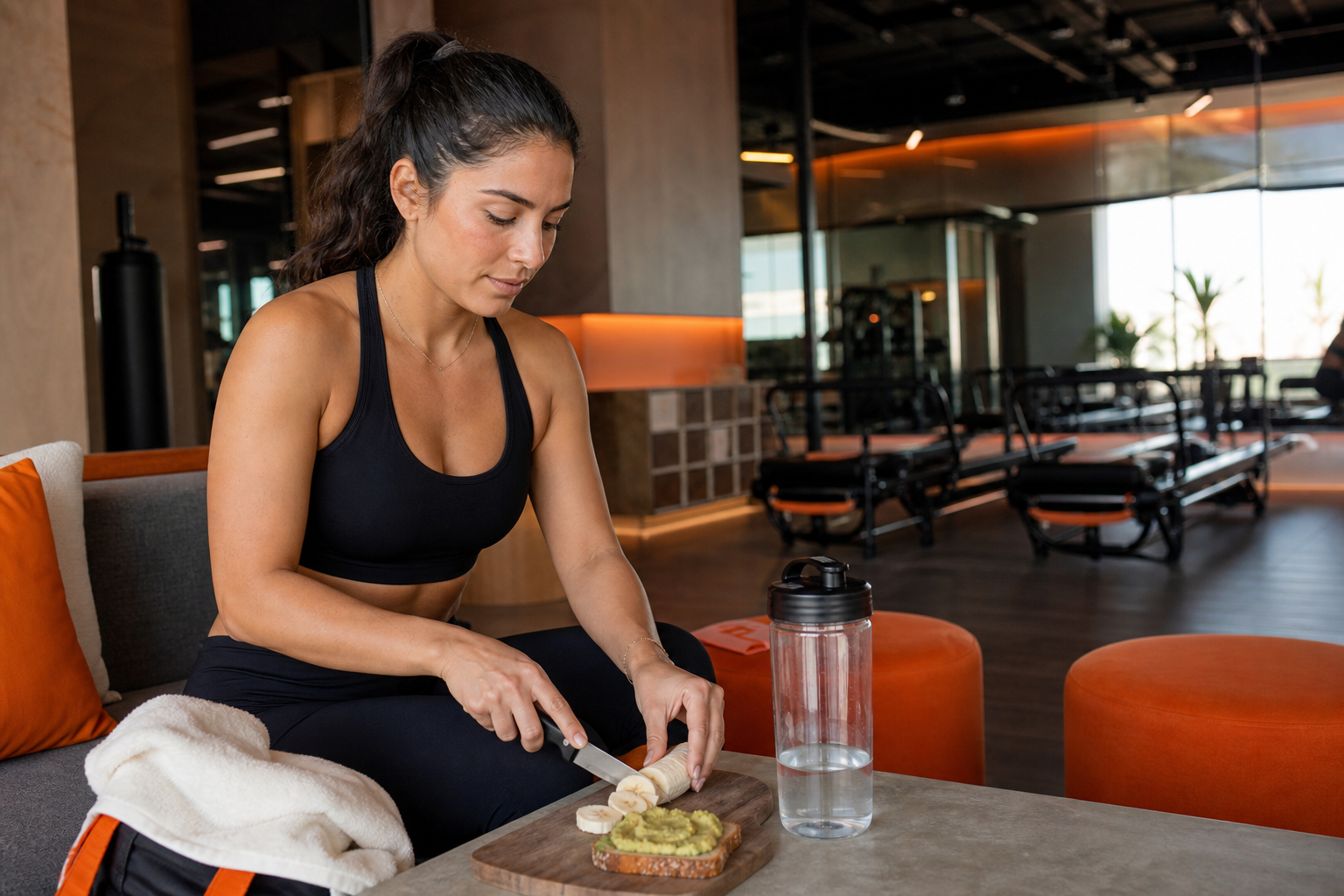
Recovery also deserves a place in the plan. After a demanding session, eat a balanced meal when you're hungry. Then let rest, hydration, and your next full meal do their part. Red light therapy or an infrared sauna may be part of a personal wellness routine, but neither replaces food or water.
Key Takeaway:Keep a short comfort log, change one variable at a time, and choose the routine that helps you train with steady energy.
FAQ
What are the best foods to eat before a workout?
The best foods to eat before a workout are familiar carbohydrate-rich foods paired with moderate protein when you have time to digest. Try toast with egg, oatmeal with yogurt, rice with chicken, or fruit with yogurt. Choose a smaller snack when class is close. Your best option is the one that supports energy without causing stomach discomfort.
How long before a workout should I eat?
Eat a full meal about two to three hours before training, or choose a small snack within 30 minutes. A meal one hour before class should be lighter and easier to digest. Use these time ranges as a starting point, then adjust based on hunger, workout intensity, and how your stomach responds.
Should I eat protein before a workout?
Yes, protein can fit before a workout, especially when you eat a full meal several hours ahead. Keep the portion moderate and pair it with carbohydrates. Protein alone may not give you the quick energy you want for a hard class. If it feels heavy, save more of it for your post-workout meal.
What should I eat before a morning workout?
Before a morning workout, choose a small snack if you wake up hungry or feel low without food. A banana, toast, applesauce, or a little yogurt may work. If you feel fine training before breakfast, you don't have to force a meal. Eat afterward and stop fasted training if you feel unwell.
Should I drink electrolytes before exercise?
Electrolytes may help before long, hot, or very sweaty exercise, but they aren't needed for every workout. Water plus normal meals is often enough for a standard class. Consider the room temperature, session length, and your sweat loss. Avoid using electrolyte drinks as a substitute for food when you need actual fuel.
What should I avoid eating before a workout?
Avoid foods that you know cause bloating, reflux, or nausea before training. Large portions of fat or fiber may feel heavy when class is close. Skip the last-minute food experiment, too. Test new meals on an easy day first, then use the options that leave you comfortable during movement.
Conclusion
Start with a familiar carbohydrate, add light protein when you have time, and adjust the amount to your class schedule. Keep a short note of what works for you, then repeat that routine before your next session. We’d love to welcome you to The Body Lab for Lagree, Lo Burn, or your next wellness experience.


Comments